Buy pointofsale.eu ?
We are moving the project
pointofsale.eu .
Are you interested in purchasing the domain
pointofsale.eu ?
domain@kv-gmbh.de · 0541-91531010
Buy pointofsale.eu ?
What is the flexible budgeting 2?
Flexible budgeting 2 is a budgeting approach that allows for adjustments to the budget based on changes in activity levels. It is an improvement over the original flexible budgeting method, as it takes into account different levels of activity and adjusts the budget accordingly. This allows for better planning and decision-making, as it provides a more accurate representation of costs and revenues at different levels of production or sales. Flexible budgeting 2 is particularly useful for businesses with fluctuating activity levels, as it helps to better manage resources and expenses. **
Can someone help me with business administration budgeting?
Yes, there are many resources available to help with business administration budgeting. You can seek assistance from financial advisors, accountants, or business consultants who specialize in budgeting and financial planning. Additionally, there are numerous online courses, workshops, and books that can provide guidance and practical tips for creating and managing a business budget. It's important to seek out help from professionals or resources that are tailored to your specific industry and business needs. **

Similar search terms for Budgeting
Top-Angebote
Products related to Budgeting:
-
Short Books Kakebo: The Japanese Art of Saving Money by Hani Motoko - Paperback Budgeting Journal - Money Management Non Fiction GiftDiscover the Japanese art of saving money with Kakebo, a century-old budgeting journal brought to modern readers. Created by pioneering journalist Hani Motoko, this practical guide helps you set monthly savings goals, track weekly spending, and reflect on your relationship with money. It's an accessible alternative to budgeting apps, ideal for building lasting financial habits. Kakebo, which simply means 'household account book', distils a Japanese budgeting tradition that dates back to 1904. The beautifully produced paperback allows you to note your income, fixed outgoings, and savings target at the start of each month, then log spending across simple categories each week before tallying everything up.5,99 £*Shipping: 2,99 £Secure redirect to the provider
-
Cassell You're Not Broke You're Pre-Rich by Emilie Bellet - Paperback Personal Finance Guide for Adults - Budgeting, Saving & Investing Made SimpleGet straight-talking advice on personal finance with Emilie Bellet's guide to budgeting, saving, and investing. This practical book, designed for adults, helps you take charge of your finances and build lasting financial wellbeing, one manageable step at a time. Written by the founder of Vestpod, it distills years of expertise into an indispensable manual for anyone looking to simplify their finances and achieve financial confidence.6,99 £*Shipping: 2,99 £Secure redirect to the provider




-
What are the tasks of a retail merchant in e-commerce?
A retail merchant in e-commerce is responsible for a variety of tasks to ensure the success of their online store. These tasks include sourcing and purchasing products to sell, managing inventory levels, setting prices, creating product listings, and optimizing product descriptions and images to attract customers. Additionally, they are responsible for marketing their store through various channels, providing customer service, processing orders, and managing shipping and returns. Overall, a retail merchant in e-commerce must oversee all aspects of their online store to drive sales and provide a positive customer experience. **
-
What is the difference between online commerce and retail commerce?
Online commerce refers to the buying and selling of goods and services over the internet, while retail commerce refers to the traditional brick-and-mortar stores where customers can physically visit and make purchases. Online commerce offers the convenience of shopping from anywhere at any time, while retail commerce provides the opportunity for customers to see, touch, and try products before making a purchase. Online commerce often involves lower overhead costs and can reach a wider audience, while retail commerce provides a more personalized and immediate shopping experience. **
-
What is the difference between the E-Commerce Manager, the Merchant in E-Commerce, and the Specialist in E-Commerce?
The E-Commerce Manager is responsible for overseeing the overall e-commerce strategy, including managing the website, online marketing, and sales. They are often in charge of a team and are focused on driving the overall success of the e-commerce business. The Merchant in E-Commerce is responsible for selecting and sourcing products to sell online, negotiating with suppliers, and managing inventory. They are focused on the product side of e-commerce and ensuring that the right products are available to meet customer demand. The Specialist in E-Commerce is an expert in a specific area of e-commerce, such as digital marketing, website optimization, or customer experience. They provide specialized knowledge and skills to support the overall e-commerce strategy and may work closely with the E-Commerce Manager and Merchant to achieve specific goals. **
-
How does E-Commerce work?
E-commerce works by allowing businesses to sell products or services online through a website or online marketplace. Customers can browse through the products, add items to their cart, and proceed to checkout by entering their payment and shipping information. Once the order is placed, the business processes the payment, fulfills the order, and ships the products to the customer. E-commerce platforms also handle tasks such as inventory management, order tracking, and customer support to ensure a smooth shopping experience. **

Will e-commerce always work?
E-commerce has been successful and continues to grow, but it may not always work for every business. Factors such as changing consumer preferences, technological advancements, and market competition can impact the success of e-commerce. Additionally, some products and services may be better suited for traditional retail channels. However, with the right strategies and adaptation to market trends, e-commerce can remain a viable and profitable business model for many companies. **
How does the transition from a retail merchant to an E-commerce merchant take place?
The transition from a retail merchant to an e-commerce merchant typically involves several key steps. First, the retail merchant needs to establish an online presence by creating a website or setting up a storefront on an e-commerce platform. They will then need to integrate their inventory and payment processing systems to facilitate online transactions. Additionally, they may need to develop a digital marketing strategy to drive traffic to their online store. Finally, the retail merchant will need to adapt their operations to fulfill and ship orders to customers, potentially requiring changes to their supply chain and logistics processes. Overall, the transition involves a shift in both the business model and operational processes to effectively serve customers in the online marketplace. **
Top-Angebote
Products related to Budgeting:
-
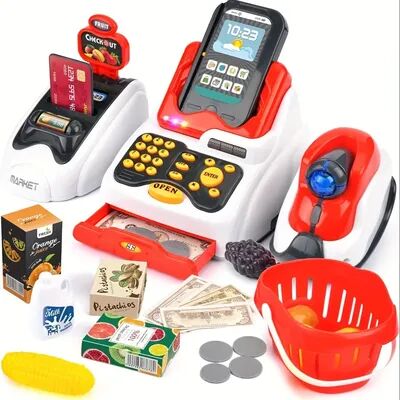
Perfect Picks Market Toy Cash Register For Kids, Checkout Scanner, Play Money Food Set, , Credit Card Machine, Fruit Card Reader Toy Cash Register For Kids, Checkout Scanner, Play Money Food Set, , Credit Card Machine, Fruit Card ReaderEngage Your Child with Playful Learning The 33PCS Toy Cash Register for Kids with Checkout Scanner is a perfect way to help children develop essential skills while having fun! Designed for little ones, this interactive toy includes a realistic...59,97 $*Shipping: 0,00 $Secure redirect to the provider
-
DK Your Financial Planner: Review, Plan, Reflect by Camilla Falkenberg - Female Invest Paperback Budgeting Workbook, Non-FictionYour Financial Planner: Review, Plan, Reflect is a hands-on companion from the founders of Female Invest, a platform that has helped millions of women take control of their money. This interactive planner builds on their bestselling guide to investing, turning financial theory into practical action. It's packed with worksheets, budgeting exercises, and goal-setting prompts to help readers save with purpose, invest with confidence, and build lasting financial independence. Written by Camilla Falkenberg, Emma Due Bitz, and Anna-Sophie Hartvigsen, the authors of the Female Invest movement, this planner provides the tools to put financial knowledge into practice. The book is suitable for adults (18+).4,99 £*Shipping: 2,99 £Secure redirect to the provider
-
Short Books Kakebo: The Japanese Art of Saving Money by Hani Motoko - Paperback Budgeting Journal - Money Management Non Fiction GiftDiscover the Japanese art of saving money with Kakebo, a century-old budgeting journal brought to modern readers. Created by pioneering journalist Hani Motoko, this practical guide helps you set monthly savings goals, track weekly spending, and reflect on your relationship with money. It's an accessible alternative to budgeting apps, ideal for building lasting financial habits. Kakebo, which simply means 'household account book', distils a Japanese budgeting tradition that dates back to 1904. The beautifully produced paperback allows you to note your income, fixed outgoings, and savings target at the start of each month, then log spending across simple categories each week before tallying everything up.5,99 £*Shipping: 2,99 £Secure redirect to the provider
-
Cassell You're Not Broke You're Pre-Rich by Emilie Bellet - Paperback Personal Finance Guide for Adults - Budgeting, Saving & Investing Made SimpleGet straight-talking advice on personal finance with Emilie Bellet's guide to budgeting, saving, and investing. This practical book, designed for adults, helps you take charge of your finances and build lasting financial wellbeing, one manageable step at a time. Written by the founder of Vestpod, it distills years of expertise into an indispensable manual for anyone looking to simplify their finances and achieve financial confidence.6,99 £*Shipping: 2,99 £Secure redirect to the provider
-
What is the flexible budgeting 2?
Flexible budgeting 2 is a budgeting approach that allows for adjustments to the budget based on changes in activity levels. It is an improvement over the original flexible budgeting method, as it takes into account different levels of activity and adjusts the budget accordingly. This allows for better planning and decision-making, as it provides a more accurate representation of costs and revenues at different levels of production or sales. Flexible budgeting 2 is particularly useful for businesses with fluctuating activity levels, as it helps to better manage resources and expenses. **
-
Can someone help me with business administration budgeting?
Yes, there are many resources available to help with business administration budgeting. You can seek assistance from financial advisors, accountants, or business consultants who specialize in budgeting and financial planning. Additionally, there are numerous online courses, workshops, and books that can provide guidance and practical tips for creating and managing a business budget. It's important to seek out help from professionals or resources that are tailored to your specific industry and business needs. **
-
What are the tasks of a retail merchant in e-commerce?
A retail merchant in e-commerce is responsible for a variety of tasks to ensure the success of their online store. These tasks include sourcing and purchasing products to sell, managing inventory levels, setting prices, creating product listings, and optimizing product descriptions and images to attract customers. Additionally, they are responsible for marketing their store through various channels, providing customer service, processing orders, and managing shipping and returns. Overall, a retail merchant in e-commerce must oversee all aspects of their online store to drive sales and provide a positive customer experience. **
-
What is the difference between online commerce and retail commerce?
Online commerce refers to the buying and selling of goods and services over the internet, while retail commerce refers to the traditional brick-and-mortar stores where customers can physically visit and make purchases. Online commerce offers the convenience of shopping from anywhere at any time, while retail commerce provides the opportunity for customers to see, touch, and try products before making a purchase. Online commerce often involves lower overhead costs and can reach a wider audience, while retail commerce provides a more personalized and immediate shopping experience. **
Similar search terms for Budgeting
-
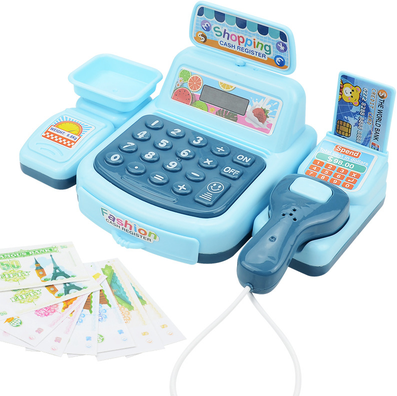
Smart Shopping Spot Realistic Checkout Counter, Simulated Cash Register Toys Playhouse Roleplay, Education Shopping Model, Child Play Games blueEngage Your Child with a Realistic Shopping Experience The Simulated Cash Register Toys Playhouse offers children a fun and interactive way to roleplay as shopkeepers. This realistic checkout counter teaches kids about money, transactions, and...22,97 $*Shipping: 0,00 $Secure redirect to the provider
-
Bluebell Reception Desk with Counter, Retail Checkout Counter Table, Modern Front DeskThis contemporary reception desk, with its U-shaped design, provides both aesthetic appeal and privacy. Designed for optimal efficiency, it has a double-tier structure for easy access to essentials and it is ergonomically high for comfort.204,74 $*Shipping: 0,00 $Secure redirect to the provider
-
What is the difference between the E-Commerce Manager, the Merchant in E-Commerce, and the Specialist in E-Commerce?
The E-Commerce Manager is responsible for overseeing the overall e-commerce strategy, including managing the website, online marketing, and sales. They are often in charge of a team and are focused on driving the overall success of the e-commerce business. The Merchant in E-Commerce is responsible for selecting and sourcing products to sell online, negotiating with suppliers, and managing inventory. They are focused on the product side of e-commerce and ensuring that the right products are available to meet customer demand. The Specialist in E-Commerce is an expert in a specific area of e-commerce, such as digital marketing, website optimization, or customer experience. They provide specialized knowledge and skills to support the overall e-commerce strategy and may work closely with the E-Commerce Manager and Merchant to achieve specific goals. **
-
How does E-Commerce work?
E-commerce works by allowing businesses to sell products or services online through a website or online marketplace. Customers can browse through the products, add items to their cart, and proceed to checkout by entering their payment and shipping information. Once the order is placed, the business processes the payment, fulfills the order, and ships the products to the customer. E-commerce platforms also handle tasks such as inventory management, order tracking, and customer support to ensure a smooth shopping experience. **
-
Will e-commerce always work?
E-commerce has been successful and continues to grow, but it may not always work for every business. Factors such as changing consumer preferences, technological advancements, and market competition can impact the success of e-commerce. Additionally, some products and services may be better suited for traditional retail channels. However, with the right strategies and adaptation to market trends, e-commerce can remain a viable and profitable business model for many companies. **
-
How does the transition from a retail merchant to an E-commerce merchant take place?
The transition from a retail merchant to an e-commerce merchant typically involves several key steps. First, the retail merchant needs to establish an online presence by creating a website or setting up a storefront on an e-commerce platform. They will then need to integrate their inventory and payment processing systems to facilitate online transactions. Additionally, they may need to develop a digital marketing strategy to drive traffic to their online store. Finally, the retail merchant will need to adapt their operations to fulfill and ship orders to customers, potentially requiring changes to their supply chain and logistics processes. Overall, the transition involves a shift in both the business model and operational processes to effectively serve customers in the online marketplace. **
* All prices are inclusive of VAT and, if applicable, plus shipping costs. The offer information is based on the details provided by the respective shop and is updated through automated processes. Real-time updates do not occur, so deviations can occur in individual cases. ** Note: Parts of this content were created by AI.