Buy pointofsale.eu ?
We are moving the project
pointofsale.eu .
Are you interested in purchasing the domain
pointofsale.eu ?
domain@kv-gmbh.de · 0541-91531010
Buy pointofsale.eu ?
Why do we pay so many taxes and levies?
We pay taxes and levies to fund essential government services and programs such as education, healthcare, infrastructure, and public safety. These funds are used to maintain and improve the overall well-being of society, including providing assistance to those in need and investing in the future of the country. Taxes and levies also help to redistribute wealth and reduce economic inequality by ensuring that everyone contributes to the common good based on their ability to pay. Additionally, they are necessary to support the functioning of government and the enforcement of laws and regulations. **
What are overhang mandates and compensatory levies and how do they work?
Overhang mandates refer to a situation where a political party wins more seats in a legislative body through direct mandates than it would be entitled to based on its share of the popular vote. Compensatory levies are additional seats allocated to other parties in order to balance out the overhang created by one party. This ensures that the distribution of seats in the legislature is proportional to the popular vote. Both overhang mandates and compensatory levies are mechanisms used in proportional representation electoral systems to maintain fairness and accuracy in representation. **

Similar search terms for Levies
Top-Angebote
Products related to Levies:
-
Smart Shopping Spot Realistic Checkout Counter, Simulated Cash Register Toys Playhouse Roleplay, Education Shopping Model, Child Play Games pinkEngage Your Child with a Realistic Shopping Experience The Simulated Cash Register Toys Playhouse offers children a fun and interactive way to roleplay as shopkeepers. This realistic checkout counter teaches kids about money, transactions, and...22,97 $*Shipping: 0,00 $Secure redirect to the provider
-
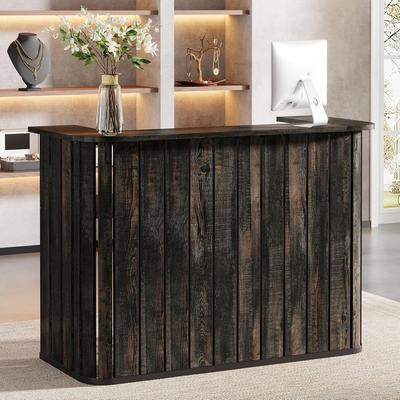
Bluebell Reception Desk with Counter, Retail Checkout Counter Table, Modern Front DeskThis contemporary reception desk, with its U-shaped design, provides both aesthetic appeal and privacy. Designed for optimal efficiency, it has a double-tier structure for easy access to essentials and it is ergonomically high for comfort.204,74 $*Shipping: 0,00 $Secure redirect to the provider
-
BLUEBELL "63"" Reception Desk with Counter, Modern U-Shaped Front Desk, Retail Checkout Counter Table"Enhance your reception area or office workspace with this 63-inch modern U-shaped reception desk, designed to combine style, functionality, and privacy.217,59 $*Shipping: 0,00 $Secure redirect to the provider


-
What are the tasks of a retail merchant in e-commerce?
A retail merchant in e-commerce is responsible for a variety of tasks to ensure the success of their online store. These tasks include sourcing and purchasing products to sell, managing inventory levels, setting prices, creating product listings, and optimizing product descriptions and images to attract customers. Additionally, they are responsible for marketing their store through various channels, providing customer service, processing orders, and managing shipping and returns. Overall, a retail merchant in e-commerce must oversee all aspects of their online store to drive sales and provide a positive customer experience. **
-
What is the difference between online commerce and retail commerce?
Online commerce refers to the buying and selling of goods and services over the internet, while retail commerce refers to the traditional brick-and-mortar stores where customers can physically visit and make purchases. Online commerce offers the convenience of shopping from anywhere at any time, while retail commerce provides the opportunity for customers to see, touch, and try products before making a purchase. Online commerce often involves lower overhead costs and can reach a wider audience, while retail commerce provides a more personalized and immediate shopping experience. **
-
What is the difference between the E-Commerce Manager, the Merchant in E-Commerce, and the Specialist in E-Commerce?
The E-Commerce Manager is responsible for overseeing the overall e-commerce strategy, including managing the website, online marketing, and sales. They are often in charge of a team and are focused on driving the overall success of the e-commerce business. The Merchant in E-Commerce is responsible for selecting and sourcing products to sell online, negotiating with suppliers, and managing inventory. They are focused on the product side of e-commerce and ensuring that the right products are available to meet customer demand. The Specialist in E-Commerce is an expert in a specific area of e-commerce, such as digital marketing, website optimization, or customer experience. They provide specialized knowledge and skills to support the overall e-commerce strategy and may work closely with the E-Commerce Manager and Merchant to achieve specific goals. **
-
How does E-Commerce work?
E-commerce works by allowing businesses to sell products or services online through a website or online marketplace. Customers can browse through the products, add items to their cart, and proceed to checkout by entering their payment and shipping information. Once the order is placed, the business processes the payment, fulfills the order, and ships the products to the customer. E-commerce platforms also handle tasks such as inventory management, order tracking, and customer support to ensure a smooth shopping experience. **

Will e-commerce always work?
E-commerce has been successful and continues to grow, but it may not always work for every business. Factors such as changing consumer preferences, technological advancements, and market competition can impact the success of e-commerce. Additionally, some products and services may be better suited for traditional retail channels. However, with the right strategies and adaptation to market trends, e-commerce can remain a viable and profitable business model for many companies. **
How does the transition from a retail merchant to an E-commerce merchant take place?
The transition from a retail merchant to an e-commerce merchant typically involves several key steps. First, the retail merchant needs to establish an online presence by creating a website or setting up a storefront on an e-commerce platform. They will then need to integrate their inventory and payment processing systems to facilitate online transactions. Additionally, they may need to develop a digital marketing strategy to drive traffic to their online store. Finally, the retail merchant will need to adapt their operations to fulfill and ship orders to customers, potentially requiring changes to their supply chain and logistics processes. Overall, the transition involves a shift in both the business model and operational processes to effectively serve customers in the online marketplace. **
Top-Angebote
Products related to Levies:
-
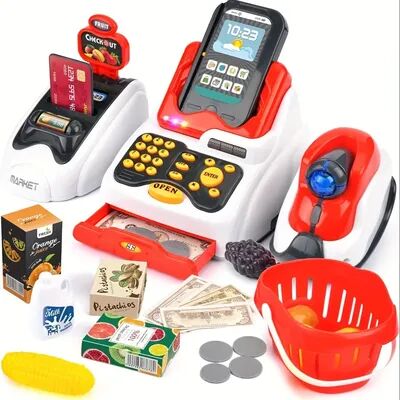
Perfect Picks Market Toy Cash Register For Kids, Checkout Scanner, Play Money Food Set, , Credit Card Machine, Fruit Card Reader Toy Cash Register For Kids, Checkout Scanner, Play Money Food Set, , Credit Card Machine, Fruit Card ReaderEngage Your Child with Playful Learning The 33PCS Toy Cash Register for Kids with Checkout Scanner is a perfect way to help children develop essential skills while having fun! Designed for little ones, this interactive toy includes a realistic...59,97 $*Shipping: 0,00 $Secure redirect to the provider
-
Smart Shopping Spot Realistic Checkout Counter, Simulated Cash Register Toys Playhouse Roleplay, Education Shopping Model, Child Play Games pinkEngage Your Child with a Realistic Shopping Experience The Simulated Cash Register Toys Playhouse offers children a fun and interactive way to roleplay as shopkeepers. This realistic checkout counter teaches kids about money, transactions, and...22,97 $*Shipping: 0,00 $Secure redirect to the provider
-
Why do we pay so many taxes and levies?
We pay taxes and levies to fund essential government services and programs such as education, healthcare, infrastructure, and public safety. These funds are used to maintain and improve the overall well-being of society, including providing assistance to those in need and investing in the future of the country. Taxes and levies also help to redistribute wealth and reduce economic inequality by ensuring that everyone contributes to the common good based on their ability to pay. Additionally, they are necessary to support the functioning of government and the enforcement of laws and regulations. **
-
What are overhang mandates and compensatory levies and how do they work?
Overhang mandates refer to a situation where a political party wins more seats in a legislative body through direct mandates than it would be entitled to based on its share of the popular vote. Compensatory levies are additional seats allocated to other parties in order to balance out the overhang created by one party. This ensures that the distribution of seats in the legislature is proportional to the popular vote. Both overhang mandates and compensatory levies are mechanisms used in proportional representation electoral systems to maintain fairness and accuracy in representation. **
-
What are the tasks of a retail merchant in e-commerce?
A retail merchant in e-commerce is responsible for a variety of tasks to ensure the success of their online store. These tasks include sourcing and purchasing products to sell, managing inventory levels, setting prices, creating product listings, and optimizing product descriptions and images to attract customers. Additionally, they are responsible for marketing their store through various channels, providing customer service, processing orders, and managing shipping and returns. Overall, a retail merchant in e-commerce must oversee all aspects of their online store to drive sales and provide a positive customer experience. **
-
What is the difference between online commerce and retail commerce?
Online commerce refers to the buying and selling of goods and services over the internet, while retail commerce refers to the traditional brick-and-mortar stores where customers can physically visit and make purchases. Online commerce offers the convenience of shopping from anywhere at any time, while retail commerce provides the opportunity for customers to see, touch, and try products before making a purchase. Online commerce often involves lower overhead costs and can reach a wider audience, while retail commerce provides a more personalized and immediate shopping experience. **
Similar search terms for Levies
-
Bluebell Reception Desk with Counter, Retail Checkout Counter Table, Modern Front DeskThis contemporary reception desk, with its U-shaped design, provides both aesthetic appeal and privacy. Designed for optimal efficiency, it has a double-tier structure for easy access to essentials and it is ergonomically high for comfort.204,74 $*Shipping: 0,00 $Secure redirect to the provider
-
BLUEBELL "63"" Reception Desk with Counter, Modern U-Shaped Front Desk, Retail Checkout Counter Table"Enhance your reception area or office workspace with this 63-inch modern U-shaped reception desk, designed to combine style, functionality, and privacy.217,59 $*Shipping: 0,00 $Secure redirect to the provider
-
"WESOME 94.5"" Front Desk Reception Desk with Drawer, Computer Workstation for Checkout, Lobby, Office, Retail Store"Upgrade your commercial space or home interior with our 94.5-inch Multifunctional Reception & Bar Desk, a perfect blend of modern aesthetics, practical functionality, and versatile usability.1844,99 $*Shipping: 0,00 $Secure redirect to the provider
-
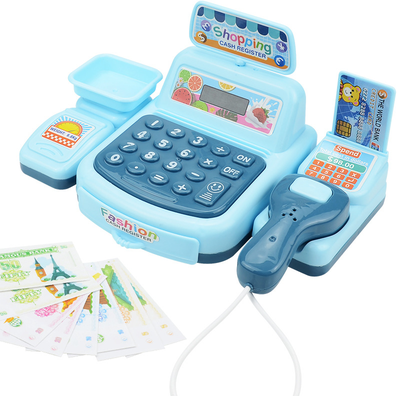
Smart Shopping Spot Realistic Checkout Counter, Simulated Cash Register Toys Playhouse Roleplay, Education Shopping Model, Child Play Games blueEngage Your Child with a Realistic Shopping Experience The Simulated Cash Register Toys Playhouse offers children a fun and interactive way to roleplay as shopkeepers. This realistic checkout counter teaches kids about money, transactions, and...22,97 $*Shipping: 0,00 $Secure redirect to the provider
-
What is the difference between the E-Commerce Manager, the Merchant in E-Commerce, and the Specialist in E-Commerce?
The E-Commerce Manager is responsible for overseeing the overall e-commerce strategy, including managing the website, online marketing, and sales. They are often in charge of a team and are focused on driving the overall success of the e-commerce business. The Merchant in E-Commerce is responsible for selecting and sourcing products to sell online, negotiating with suppliers, and managing inventory. They are focused on the product side of e-commerce and ensuring that the right products are available to meet customer demand. The Specialist in E-Commerce is an expert in a specific area of e-commerce, such as digital marketing, website optimization, or customer experience. They provide specialized knowledge and skills to support the overall e-commerce strategy and may work closely with the E-Commerce Manager and Merchant to achieve specific goals. **
-
How does E-Commerce work?
E-commerce works by allowing businesses to sell products or services online through a website or online marketplace. Customers can browse through the products, add items to their cart, and proceed to checkout by entering their payment and shipping information. Once the order is placed, the business processes the payment, fulfills the order, and ships the products to the customer. E-commerce platforms also handle tasks such as inventory management, order tracking, and customer support to ensure a smooth shopping experience. **
-
Will e-commerce always work?
E-commerce has been successful and continues to grow, but it may not always work for every business. Factors such as changing consumer preferences, technological advancements, and market competition can impact the success of e-commerce. Additionally, some products and services may be better suited for traditional retail channels. However, with the right strategies and adaptation to market trends, e-commerce can remain a viable and profitable business model for many companies. **
-
How does the transition from a retail merchant to an E-commerce merchant take place?
The transition from a retail merchant to an e-commerce merchant typically involves several key steps. First, the retail merchant needs to establish an online presence by creating a website or setting up a storefront on an e-commerce platform. They will then need to integrate their inventory and payment processing systems to facilitate online transactions. Additionally, they may need to develop a digital marketing strategy to drive traffic to their online store. Finally, the retail merchant will need to adapt their operations to fulfill and ship orders to customers, potentially requiring changes to their supply chain and logistics processes. Overall, the transition involves a shift in both the business model and operational processes to effectively serve customers in the online marketplace. **
* All prices are inclusive of VAT and, if applicable, plus shipping costs. The offer information is based on the details provided by the respective shop and is updated through automated processes. Real-time updates do not occur, so deviations can occur in individual cases. ** Note: Parts of this content were created by AI.